Russia Tells WHO No Plague Was Found After Siberian Lab Worker's Death, but the Cause Remains Unconfirmed
Published Not supplied · Discovered 8 Oct, 21:16 UTC · Original language: en · Version 2
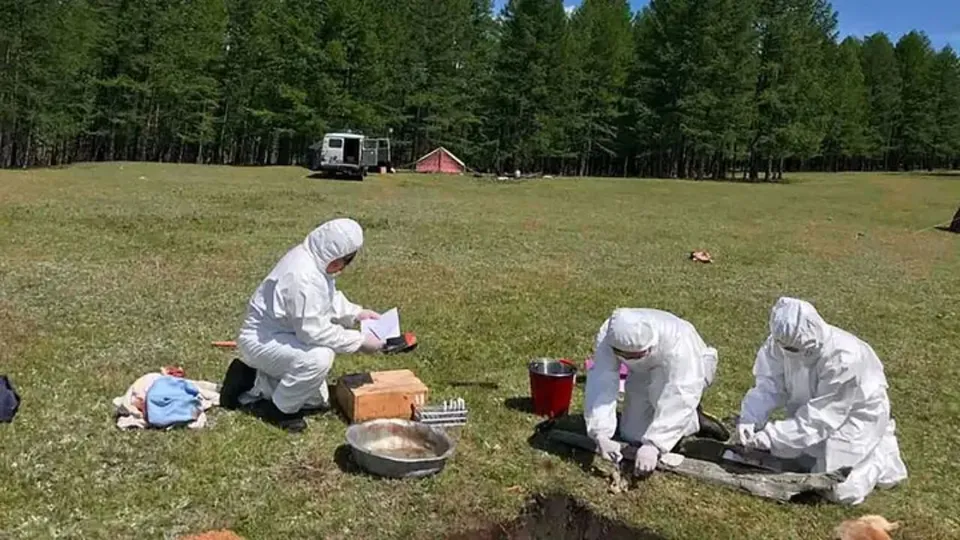
Russian health authorities have told the World Health Organization that no case of plague has been recorded in Siberia's Irkutsk region, days after a 28-year-old worker at a regional anti-plague research institute died of severe pneumonia. WHO relayed the Russian response on Oct. 6, NBC News reported, while the cause of the woman's death still has not been publicly established.
Russia's consumer health watchdog, Rospotrebnadzor, said daily testing of the worker's close contacts found two cases of COVID-19 and two of rhinovirus, the virus behind the common cold. "No other infectious disease pathogens were detected among the contacts," the agency said, according to NBC News. At that point, about 60% of the identified contact group had been tested.
For readers outside Russia, the immediate public health risk appears low — no secondary plague case has been publicly confirmed. The story's lasting relevance lies in a biosafety question that remains unresolved, and in a reminder that plague still circulates naturally among wild rodents, including in the western United States.
Conflicting Accounts From Russian Officials
The worker, identified by Russian media and her family as Darya Shipilova, was a laboratory technician at the Irkutsk Anti-Plague Research Institute of Siberia and the Far East. She was hospitalized on Sept. 29 and died early on Oct. 2, according to Radio Free Europe/Radio Liberty.
Independent Russian outlets reported that she broke a test tube containing live plague bacteria in late September. Rospotrebnadzor has rejected that account, saying a commission found no accident at the institute and that postmortem tests found no microorganisms connected to her work, CBS News reported. The agency attributed her death to pneumonia of unknown origin.
Other official statements have pointed in different directions. Alexei Tsydenov, head of the neighboring Republic of Buryatia, first posted that the woman had died of plague, then edited the post to say she "may have," according to Meduza. Irkutsk Gov. Igor Kobzev referred only to a suspected "particularly dangerous infection." The Moscow Times reported that law enforcement opened a criminal investigation into possible health safety violations.
Roughly 200 people were placed under medical observation, and a hospital inpatient unit in the town of Shelekhov was quarantined. The U.S. State Department said it was aware of "reports of a fatal case of suspected pneumonic plague" and was monitoring with the CDC.
Pneumonic Plague and Why It Differs From the Bubonic Form
Plague is caused by the bacterium Yersinia pestis. The most common form, bubonic plague, usually spreads through the bite of an infected flea and causes painful, swollen lymph nodes. It does not typically pass from person to person.
Pneumonic plague infects the lungs. It is the only form that can spread directly between people, through respiratory droplets — which is why a suspected pneumonic case near a lab that handles live cultures drew international attention. All forms of plague are treatable with antibiotics if treatment starts early, and untreated pneumonic plague is often fatal.
The contact testing results matter, but they have limits. COVID-19 and rhinovirus are common seasonal viruses, and finding them in a few contacts neither confirms nor rules out plague as the cause of the worker's death. Russia has not published the underlying test data, and WHO has not independently confirmed the cause. A WHO spokesperson, Christian Lindmeier, told reporters in Geneva that "authorities are investigating whether pneumonic plague caused her death."
A Disease That Lives in Wild Rodents
Russia operates anti-plague institutes because plague persists in natural reservoirs. Mountain regions bordering Mongolia, including the Altai Republic and Tuva, contain long-recognized natural plague foci where marmots and other rodents carry the bacterium. Russia's most recent human case before this episode was recorded in 2016, when a child in the Altai Republic fell ill, Meduza reported.
The same ecology exists in the United States. Plague arrived in the early 1900s and became established among native wildlife. According to CDC figures, the U.S. averages about seven human cases a year, mostly in rural parts of northern New Mexico, northern Arizona, southern Colorado, California, southern Oregon and far western Nevada. Prairie dogs, ground squirrels and wood rats are key hosts, and colony die-offs often signal plague activity.
The greatest U.S. risk falls on rural residents, hunters, campers and owners of cats or dogs that roam and hunt rodents. Cats are especially vulnerable and can pass the infection to people. Colorado public health guidance advises seeking immediate care for fever, chills or swollen lymph nodes after possible exposure.
Precautions and the Questions Still Unanswered
The Irkutsk case does not change public health guidance in the United States, and travel precautions are not warranted based on current evidence. In plague-endemic parts of the West, routine precautions still apply: avoid handling sick or dead rodents, keep pets on flea control, use insect repellent with DEET outdoors, and keep pets away from prairie dog colonies.
The biggest unanswered question is what killed the worker. Russia has not released autopsy findings or laboratory data that would let outside experts evaluate its conclusion. It also remains unclear whether a lab accident occurred, since Russian media accounts and the official position directly conflict. Officials have not said whether results from the remaining contacts are complete.
Watch for any further WHO statement, publication of test results by Rospotrebnadzor, and the outcome of the reported criminal investigation. Nature World News will update this report as verified information becomes available.
The bottom line: no secondary plague case has been publicly confirmed, and the wider risk appears low, but the cause of a young lab worker's death remains unexplained. U.S. readers in the rural West face a far more relevant plague risk from wildlife and fleas than from Siberia.
Oct. 6, 2026: WHO says Russian authorities informed it that no plague case was recorded in Irkutsk; Rospotrebnadzor reports contacts tested positive only for COVID-19 and rhinovirus.
Oct. 4 to 5, 2026: Rospotrebnadzor attributes the death to pneumonia of unknown origin and denies a laboratory accident.
Oct. 2, 2026: The worker dies in hospital; a Shelekhov hospital unit is quarantined and nearly 200 contacts are placed under observation.
What Readers Want to Know
Did a Russian lab worker die of plague?
That has not been confirmed. Russia says she died of pneumonia of unknown origin and told WHO no plague case was recorded. A regional leader first said plague, then edited his post to say she may have died of it.
Rospotrebnadzor said two contacts had COVID-19 and two had rhinovirus, with no other infectious pathogens detected.
How is pneumonic plague different from bubonic plague?
Pneumonic plague infects the lungs and can spread between people through respiratory droplets. Bubonic plague usually spreads through flea bites and does not typically pass between people.
Is there a risk to people in the United States?
No secondary case has been publicly confirmed, and current evidence does not indicate a risk to U.S. residents from this case. Plague does occur naturally in the rural western U.S., averaging about seven human cases a year.
How can I reduce plague risk in the western U.S.?
Avoid handling sick or dead rodents, use flea control on pets, wear insect repellent outdoors and seek prompt care for fever or swollen lymph nodes after possible exposure.
Yes. Plague responds to antibiotics when treatment begins early.
© 2026 NatureWorldNews.com All rights reserved. Do not reproduce without permission.
Full text reproduced from natureworldnews.com (publisher page, rights-checked under syndication).
View original at natureworldnews.comAbout this report
Original title: Russia Tells WHO No Plague Was Found After Siberian Lab Worker's Death, but the Cause Remains Unconfirmed