Russia plague theories: what do you actually believe?
One lab worker is dead, Russia won't say the word “plague”, and the internet has already written six different endings. Here is every serious theory for the Irkutsk scare — each stated at full strength, then fact-checked against what we can actually source. From “lab accident” to “More cases than reported”.
The short answer
The best-evidenced theory is the least exciting: a laboratory accident at an institute that works with plague bacteria every day, handled by a functioning quarantine system. The most interesting theory is the one nobody can yet rule out: that the official “pneumonia of unknown cause” is buying time for microbiology Russia has not published. Both can be true. What the data cannot currently support is the scariest version — a spreading outbreak — because no onward transmission has been documented.
A broken tube in a plague institute.
The leading explanation — and the least reassuring one: the woman who died worked with plague bacteria every day.
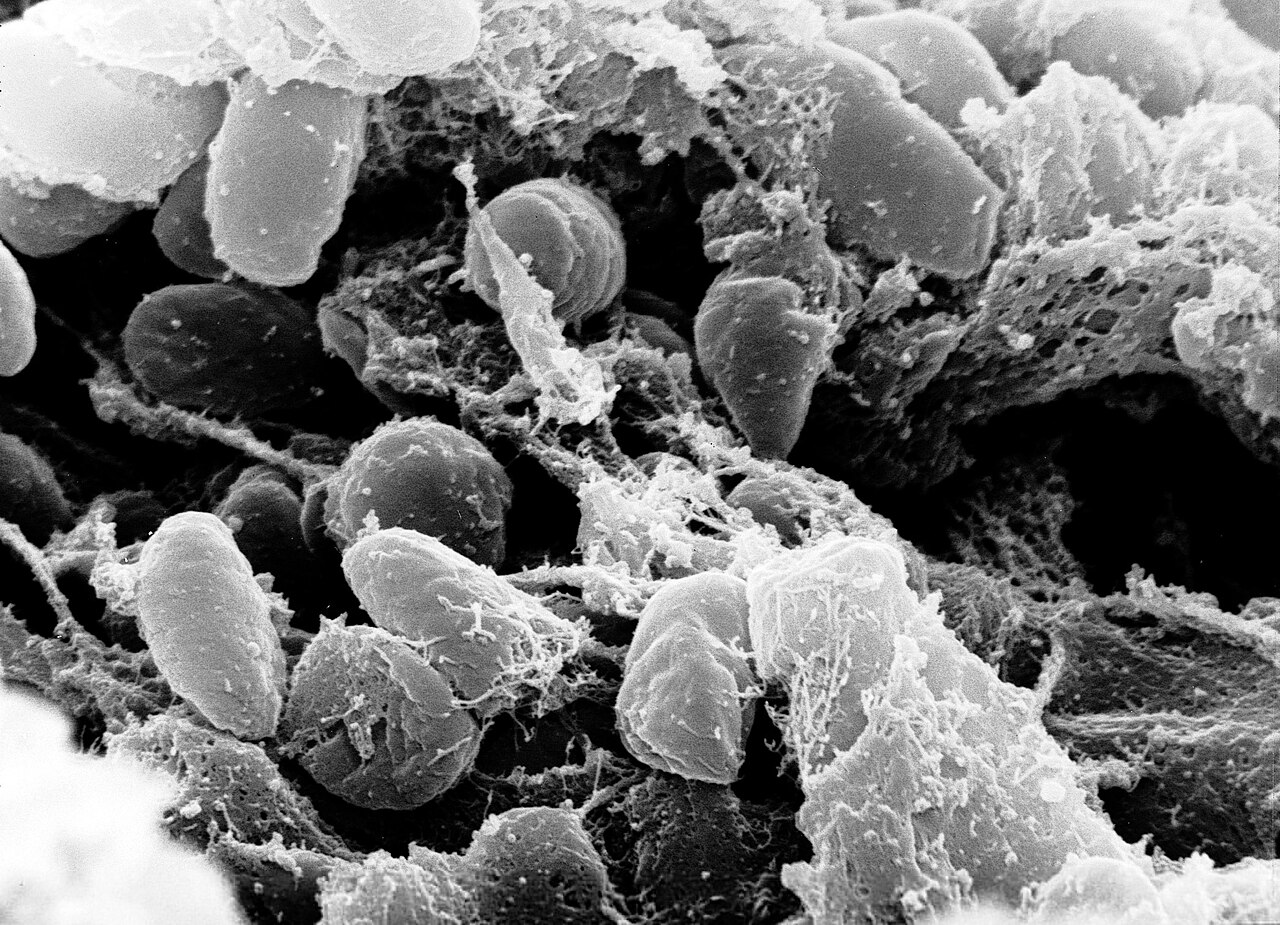
Darya Shipilova was a laboratory assistant at the Irkutsk Anti-Plague Research Institute, one of the few places on earth that works with living Yersinia pestis daily. Reports say a procedure went wrong on 25 September 2026 — several accounts describe a broken or mishandled tube during an aerosol-generating step — and she died of a rapidly progressive pneumonia a week later.
This is not a story about a virus drifting in from nowhere. It is a story about the one room in Siberia where the bacterium was already sitting on a shelf. If a tube cracked, the exposure was direct, concentrated and inhaled — exactly the route that produces the pneumonic form.
What supports it: Occupational exposure fits the timeline and the illness. Laboratory-acquired plague is rare but documented, and biosafety incidents are precisely what anti-plague institutes plan for.
What undercuts it: Russia has not publicly confirmed a containment failure, a definitive diagnosis, or even the word plague. Until the post-mortem microbiology is published, this is a strong story — not proven fact.
Wikipedia · 2026 Russian plague outbreak · John Campbell · Plague Lab Leak in Russia
Sverdlovsk 1979, all over again?
The theory that gives this story its cold-war chill: Russia hides things that escape from laboratories.
In April 1979, an anthrax spore release from a military laboratory in Sverdlovsk (today Yekaterinburg) killed dozens of people — and the Soviet Union took years and a lot of Western pressure to admit an accidental human origin at all. The leak happened inside a closed city, the cause was officially framed as bad meat, and the full story only emerged after the archives opened.
So when a plague researcher dies in a Siberian institute and the authorities call the cause “pneumonia of undetermined origin” while the Kremlin dismisses media reports as “false information”, a particular historical reflex fires: what, exactly, are they not saying? Skeptics note the Institute's own history blends public-health surveillance with defensive military-adjacent research on plague — the kind of work that, during the Biopreparat era, sat close to weapons research.
What supports it: The precedent is real: Sverdlovsk was a genuine lab leak that Soviet messaging spent years softening, and Russia's early statements genuinely did contradict each other.
What undercuts it: This is Irkutsk in 2026, not Sverdlovsk in 1979 — independent media reported it within days and the WHO was already asking questions. Precedent is not proof.
Wikipedia · 2026 Russian plague outbreak · John Campbell · Plague Lab Leak in Russia
Was the organism just… ordinary?
The spiciest version: that the bug inside the tube was not a wild Siberian strain at all.
Some commentators — including UK biological-warfare specialist Hamish de Bretton-Gordon, whose warnings amplified the story — point out that institutes like Irkutsk's do not merely count fleas. Defensive plague research shades into strain selection, attenuation studies and vaccine work, the sort of hands-on manipulation that popular culture files under the word “weaponised”, fairly or not.
The theory's strong form says a modified or selected strain could behave worse than the wild type: more aggressive, or less predictable in a lab worker without the immunity a steppe herder might carry. Its honest form says something quieter: nobody outside the institute currently knows which strain was in the tube, so the mystery is an information gap, not a confirmed mystery organism.
What supports it: Gain-of-function-style research on plague genuinely exists (the US studies it too), and no strain data has been published, so the strong question is legitimate.
What undercuts it: There is zero published evidence of genetic modification in this case. A vaccine against pneumonic plague has been stubbornly elusive everywhere, including Russia — which argues the bug was behaving normally.
John Campbell · Plague Lab Leak in Russia · WHO Plague fact sheet
Plague never actually left Siberia.
The least dramatic theory — and the one epidemiologists nod along to.
Central Asia and Siberia sit on old natural plague foci: wild rodent populations — marmots, susliks, gerbils — carry Yersinia pestis in their fleas, and occasionally a human is bitten, usually a hunter or herder handling an infected animal. Russia reports sporadic cases in these cycles; the WHO counts hundreds of cases worldwide every year, mostly bubonic.
Under this theory the Institute is not the source of the scare at all — it is the detector. The danger it represents is simply that when plague appears near a city of half a million, and near a lab full of the bacterium, every single case is treated with maximum seriousness. And because Siberian winters and marmot behaviour shape the foci, the quiet theory even has a seasonal logic: the autumn hunt is when wild-cycle plague tends to surface.
What supports it: Wild foci in Russia and Mongolia are well documented and regularly produce human cases; Mongolia has had plague deaths in recent summers.
What undercuts it: It does not explain why Russia still refuses to name the cause — nature's reservoir theory needs the lab-accident theory to explain why a lab worker specifically fell ill.
If it were bubonic, who would notice?
The suspicion that powers most of the online fear: that one official death is the tip of an uncounted iceberg.
Here is the mechanism the conspiracy crowd understands instinctively: bubonic plague — the flea-borne, node-swelling form — kills maybe a third to a half of untreated victims and can look like any bad fever in a remote village. If a handful of herders or hunters were infected in the same season, their cases could pass quietly as “bad pneumonias”, while the one person who actually dies in a city hospital, in a lab worker's story, becomes the only headline.
So the theory goes: the official count of one death is technically true and practically incomplete. The fear this feeds is not plague everywhere; it is plague quietly everywhere except where they are counting. The counter-move from Moscow — ending precautionary measures on 7 October while the WHO still wanted data — reads, to believers, less like all-clear and more like image management.
What supports it: Historically, rural under-reporting of plague in wild-foci regions is real and well documented; the 1979 precedent shows Russian official accounts can lag reality.
What undercuts it: The quarantine of ~200 contacts and continued WHO pressure mean an ongoing cluster would likely have surfaced by now — contacts under watch don't vanish quietly.
WHO Plague fact sheet · Wikipedia · 2026 Russian plague outbreak
One death, five thousand headlines.
The sceptic's position, which is itself a kind of conspiracy theory about everyone else.
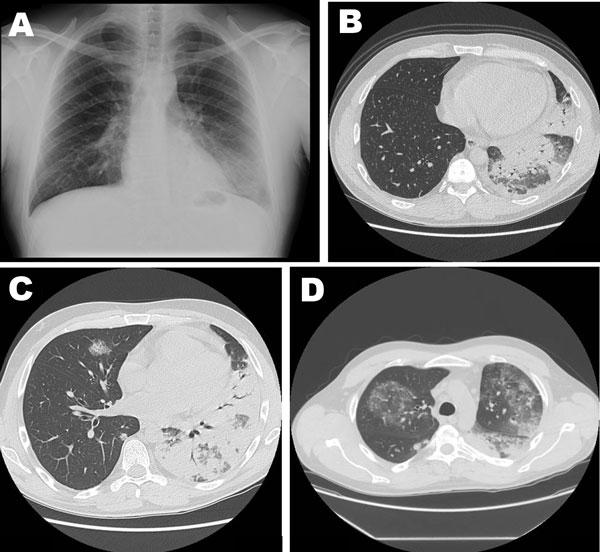
The counter case: anti-plague institutes exist to handle exactly this event, quarantining two hundred contacts is the system working, not failing; antibiotics work against plague and Russia has them; no onward illness among contacts has been documented; and search interest, not disease, did the real spreading — plague searches inside Russia reportedly spiked thousands of percent in a week.
Sceptics note that “pneumonia of unknown aetiology” is genuinely what it says: a lab result that hasn't landed yet. The word plague did the rest. Comment sections put it more bluntly — one reader of a popular analysis asked, half-jokingly, whether this might simply be “Plandemic 2.0”. The honest sceptic's position and the honest believer's position are currently the same sentence: we are waiting on the same microbiology report.
What supports it: Everything officially confirmed so far is consistent with a single occupational case and a functioning public-health response.
What undercuts it: Dismissal has a track record problem too: in 1979 the “nothing to see” line was wrong, and the aetiology still has not been named more than a week on.
John Campbell · Plague Lab Leak in Russia · WHO Plague fact sheet
Theories, answered fast
- What is the lab leak theory for the Russia plague?
- That Darya Shipilova was exposed to Yersinia pestis during a laboratory procedure at the Irkutsk Anti-Plague Research Institute on 25 September 2026 — reports describe a broken or mishandled tube — and died a week later of the pneumonia that followed. It is the leading explanation because it needs no new epidemic, just one bad afternoon.
- Is there a conspiracy theory about the Irkutsk plague death?
- The popular suspicion is that one official death hides more cases, and that Soviet-era habits of understatement (the 1979 Sverdlovsk anthrax leak is the famous precedent) mean the absence of evidence is not yet evidence of absence.
- Was the plague bacteria weaponised?
- Unproven and possibly unfashionable, but the question is legitimate: institutes like Irkutsk's historically did defensive research close to military work. No published evidence of genetic modification exists so far — the strain itself has not been publicly described.
- What would end the debate?
- One document: the post-mortem microbiology. If Russia publishes a named organism and a route of exposure, the accident theory wins outright and the others fade into history footnotes.
Theories are interpretations, not findings — TRP records them so you can weigh them without leaving the site. Follow what is confirmed on the tracker, walk the dated timeline, meet the researcher at the centre of it and learn what pneumonic plague actually is.